By Pat Burns, President
It seems to me that anytime I talk with someone, most of our conversations are about doom and gloom. We discuss the challenges of doing business here and the difficulties we face. With all of the hoops that have to be jumped through, how can we possibly get anything done?
We talk about the continuous regulations that are imposed on us. The politicians who, I guess, believe that they are succeeding in making life better for others by dictating how we make a living. Those same politicians believe they know what’s best for the labor force. With the work week for agricultural labor now 40 hours, overtime must be paid after 8 hours worked in a day, which has resulted in work hours being cut overall. This doesn’t seem like it has made anything better. Of course, the policymakers were warned that their plan wouldn’t work, but they know better. The value of our crops is dropping while costs continue to rise- fuel prices, material costs, insurance premiums, etc. Tariff loopholes allow companies to bring in lower-cost products from foreign countries that undercut local products. Taxes, and proposed new taxes, that could be detrimental to any one of us or maybe to all of us.
All of the things I’ve just said can easily come up in one conversation or be the individual subject of one. We tend to discuss them briefly and at length, daily, weekly, constantly. When will it change? I cannot say, not sure any of us could, but I guess that it won’t. Of course, saying that it won’t change is kind of a losing attitude, and we can’t have that. We need to and will push for what we believe is right, which, as we all seem to know, is just common sense. In my opinion, if the people who continually try to control us (because they think they know what’s best for us) actually held a job where results were demanded of them to make a living before becoming said decision makers, they may have a better understanding of reality and the negative results that come of their policies. Often referred to as unintended consequences, these results seem to happen more often.
Just as any or all of these subjects could be the topic of conversation on any given day, we all continue to do our work, do our part to make things better, to provide a product, and make our customers happy. Hard to say why we do it, but we do. However, judging from many interactions I have had, I believe there are at least some reasons why we do what we do.
Sonoma County is pretty amazing. The weather, to start with, is pretty nice. Of course, some days are too hot, too cold, too wet, too dry, but overall, pretty nice. I wouldn’t be a farmer if I didn’t complain about the weather. How about the views, the open space, the people that we work with and alongside, being around others who truly enjoy agriculture? Some would believe that we are all out for ourselves, but when you know your neighbors will drop what they’re doing to come help just because you need it, not because they owe you, and you would do the same, it’s pretty clear that we aren’t just out for ourselves. Working with multiple generations, and the knowledge of the older generations that gets handed down, sometimes subtly and sure, sometimes with “I told you so,“ we still learn (hopefully).
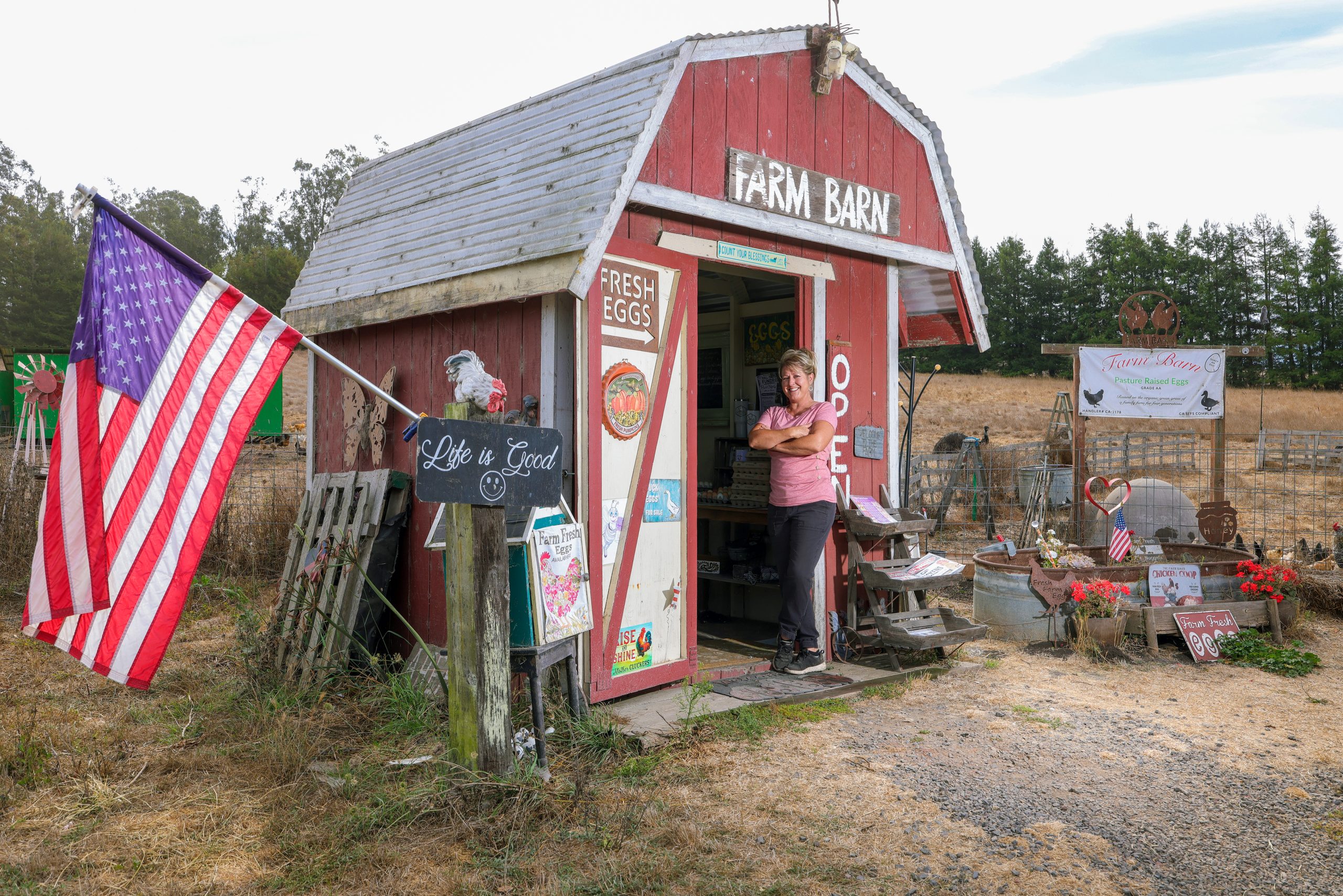
I attended Farm Fest last weekend, and truly, it was an enjoyable event. Watching the people who attended, I don’t know if they intended to learn about agriculture, but I have to believe that they did. I know I did. I can say that my knowledge of egg production has more than tripled. I had the opportunity to talk to some people from the Bay Area who came up just for the event, not farmers, just consumers, who “Loved it! We learned so much. Buying locally is important to us, and seeing and meeting the farmers and ranchers was great.”
Then you add in the local fairs. Going to see the 4H and FFA kids showing their animals, taking them to auction, learning about what it is really like to work for something, and seeing the outcome. The people who support these kids show up year after year. In addition, there are all of the people behind the scenes who work with them tirelessly, and the people who make those fairs happen. The buyers at the auctions, who most often pay more than they should, but do it for a good cause. If those aren’t good reasons to push forward, I don’t know what is.
Of course, we all have to make a living, and some of the topics I brought up in the beginning could truly be the breaking point, where, economically, it just won’t work any longer. I hope that doesn’t happen! We need to continue to do our parts and know when it is necessary to push back.