By Dayna Ghirardelli, Executive Director
Over the last decade, the North Bay has endured a barrage of crises: wildfires, power shutoffs, a global pandemic, historic drought, and runaway inflation. Each of these events has tested our resilience, not just as individuals, but as a community that relies on something fundamental: food.
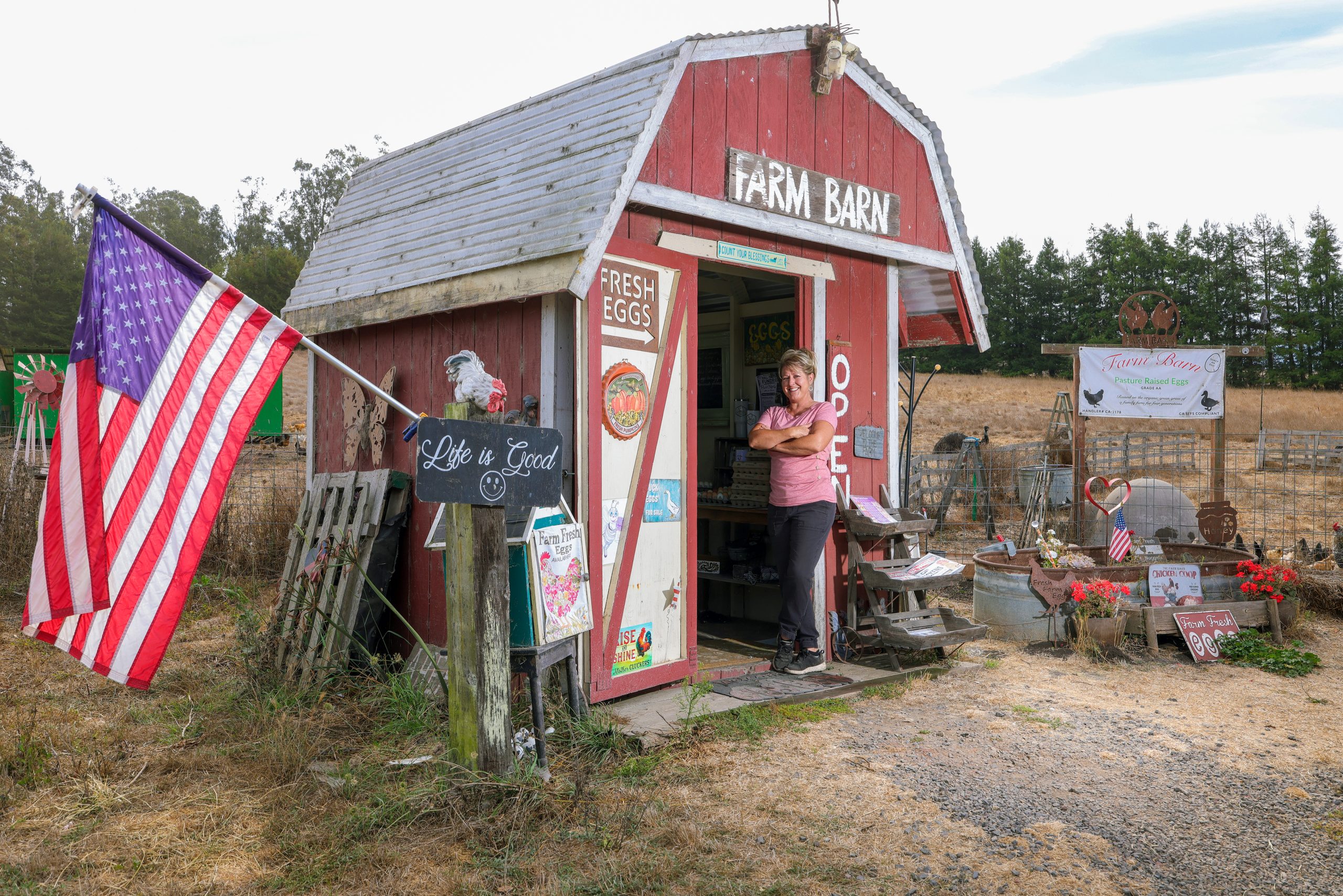
When supply chains fractured during the pandemic, grocery shelves emptied, meatpacking plants shuttered, and shipping delays became routine. It didn’t take long for consumers to realize how fragile our global food system really is. Meanwhile, here in Sonoma and Marin counties, local farmers, ranchers, and producers stepped up. We fed our neighbors. We donated to food banks. We pivoted to farm boxes and direct-to-consumer sales. We showed that when the broader system breaks down, local agriculture holds the line.
But that kind of resilience doesn’t happen by accident; it happens by design. And now, we must design for it deliberately.
If we want a food system that is strong, sustainable, and responsive, we must invest (seriously and systemically) in several key areas.
Local food infrastructure. Processing facilities, cold storage, commercial kitchens, and rural transportation systems aren’t flashy, but they’re critical. When small and mid-sized producers lack access to these assets, they struggle to get their products to market. Public and private investment in regional hubs can reduce reliance on faraway processors and distributors, create jobs, and shorten the distance from farm to fork. That’s not just smart, it’s a matter of food security.
Workforce housing. The affordability crisis in Sonoma and Marin counties affects everyone, but it hits agriculture especially hard. If we want to retain the people who plant, tend, harvest, and care for our land, we must provide safe, dignified, and attainable housing near where they work. That means removing red tape, streamlining approvals, and supporting rural housing projects that reflect the unique needs of farmworker families.
Agricultural education. From K–12 classrooms to community colleges and trade programs, we need to reinvest in developing the next generation of producers, food system professionals, and land stewards. That includes hands-on learning, FFA, 4-H, and career pathways that connect students to viable futures in agriculture. It also includes cultivating a broader public understanding of where food comes from and why local farming matters, not just during a crisis but every day.
Policy and legislation. As the Executive Director of the Sonoma County Farm Bureau, I see firsthand how hard our local producers work to grow safe, healthy, and sustainable food and fiber, protect natural resources, and maintain productive open space. But we cannot continue to shoulder the weight of systemic vulnerabilities on our own, especially with the continuous increase in regulations and regulatory costs. Strengthening local food systems is not just a farmer’s issue; it’s a public priority, and that is why now is a critical time to engage! The Sonoma County General Plan Update is underway, and agriculture must be the main priority! Local and state policymakers must devise legislation that not only protects our right to farm but also eliminates threats to our food supply. With Measure J, we’ve experienced firsthand the threat to our local food system by extremists who simply want you to live the way they think you should.
Let’s not wait for the next disaster to remind us how essential local agriculture is. Let’s act now to ensure our food system remains strong, connected, and rooted in the community.